
Start Your IDEA Journey with a Complimentary Discovery Meeting

Whether you’re just beginning your IDEA (Inclusion, Diversity, Equity, and Anti-Racism) journey or looking to strengthen existing initiatives, knowing where to start can be challenging. Our complimentary 45-minute Discovery Meeting is designed to help you gain clarity, explore your options, and identify the best path forward for your organization….
Conflict Style: A Podcast on Different Perspectives
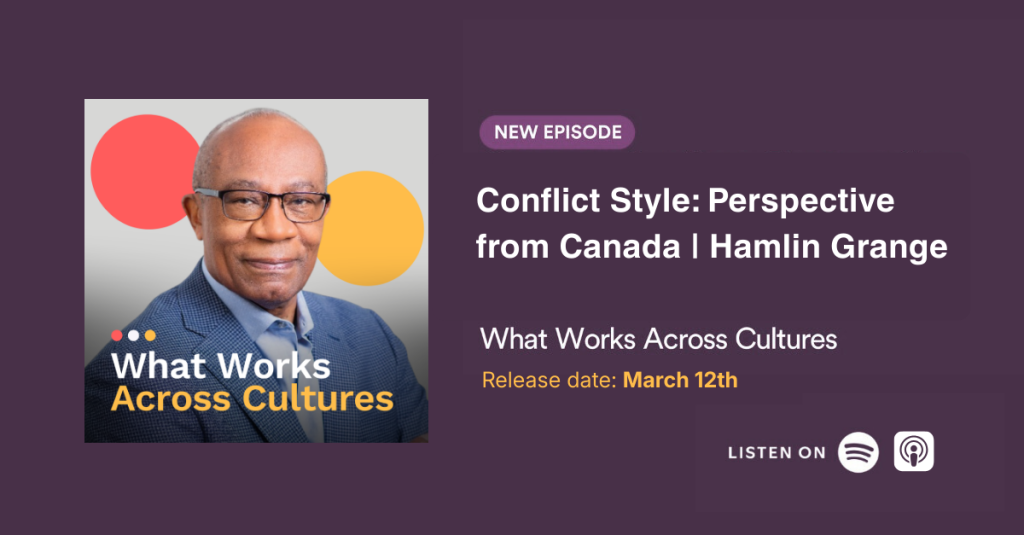
Conflict happens in every team. But in global and multicultural teams, misunderstandings often arise because culture shapes how we disagree, express emotions, and resolve conflicts. When we misinterpret the behaviour of colleagues from other cultures, trust can quickly erode.
Anna Kostecka, an associate of DiversiPro hosts the podcast What Works Across Cultures. In this episode, she speaks with DiversiPro’s founder and principal consultant, Hamlin Grange…
IDEACertified™: A Credible Standard for Inclusive, High-Trust Organizations

Despite the so-called “backlash” against diversity, equity and inclusion (DEI) initiatives across both public and private sectors, organizations are facing increasing expectations to demonstrate real, measurable progress on Inclusion, Diversity, Equity, and Anti-Racism (IDEA). Good intentions and isolated training initiatives are no longer sufficient. What is required is evidence—grounded in data, aligned to legislation, and trusted by employees, stakeholders, and the public.
IDEACertified™ is DiversiPro’s trademarked, evidence-based certification program designed to achieve this goal. It provides organizations with a structured, defensible pathway to move beyond intention and toward sustained, organization-wide impact in IDEA practice…
Why Is It So Hard to Connect with Other Cultures?

For some time now, I have made it my mission to support connections between people, particularly those from different cultures. Yet, the more time I spend doing this, the humbler I become.
A week ago, while talking with friends, I initially stated that I respect and am open to all religions, but then went on to explain how the rituals in them made no sense to me and to question their relevance to one’s spiritual journey…
Associate Spotlight: Q&A with Kennedy Schultz

Why is IDEA (Inclusion, Diversity, Equity, and Anti-Racism) important in your personal and professional life?
I have always had a desire to learn about different cultures. After studying abroad in college, I realized that learning about other cultures helped me gain new perspectives on my own culture and our connection to the wider world. I started my career in language and culture education as a way to teach others about the richness of world cultures and the benefits of developing skills to broaden one’s perspective and create connections across global boundaries…
Off the Bookshelf: What If I Say the Wrong Thing?
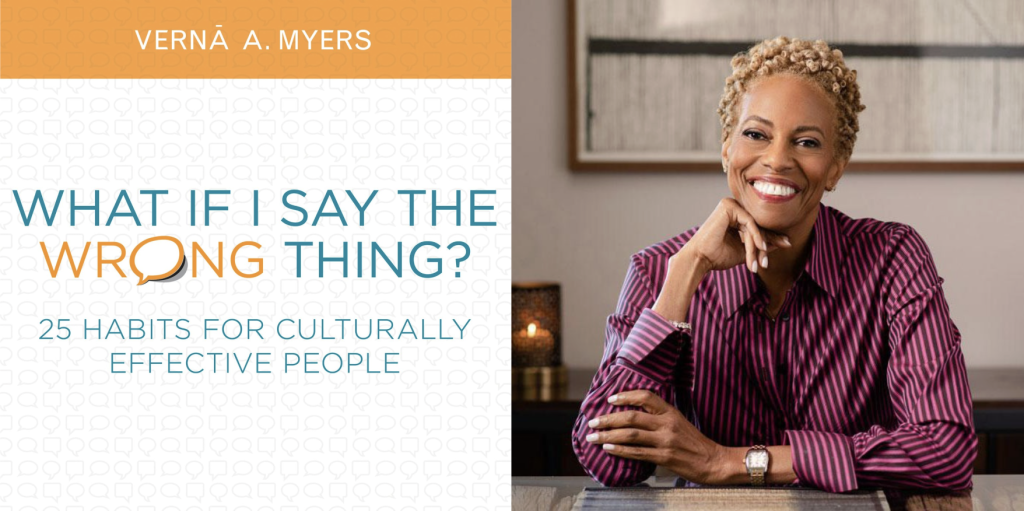
If I was paid every time someone – often it’s a senior leader or manager in an organization – asked me “what if I say the wrong thing?”, I’d be a very wealthy man…
Associate Spotlight: Q&A with Adam Benn
What actions do you take to create inclusive environments in your own life?
In my life, I focus on making inclusion a daily practice, and living these values day to day. That means being intentional about making space at the table, understanding the environmental impact of my actions, aligning with businesses and organizations that share my values, and focusing on supporting my communities. For me, it is about taking actions to create a world that I would like to see when I am teaching about inclusion. It also means actively listening, learning, and being willing to change — whether that’s rethinking a decision, acknowledging my own biases, or creating opportunities for others to lead. I also try to build relationships across differences…
Understanding the Mind-Body Connection to Make More Mindful Choices for Inclusion
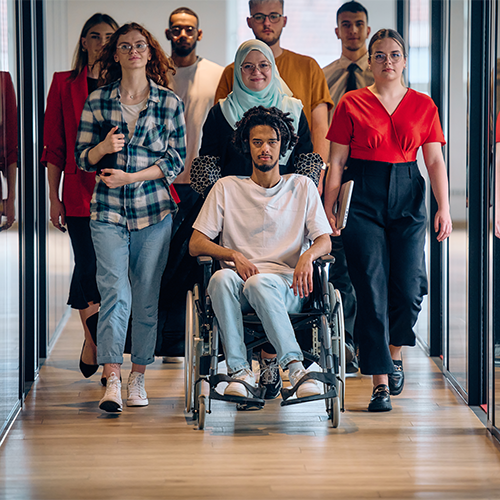
As an interculturalist engaged in IDEA and intercultural capacity building, I see myself as a lifelong learner who recognizes that there is always more to discover and understand. I am passionate about guiding individuals toward those “aha!” moments that spark their curiosity and foster deeper connections across differences. As the daughter of immigrants, although I was born in Canada, English was my second language. Assimilation was still the model then. To ease the effects of culture shock and foster community connections, my parents were inclined to connect with people who came from similar ethnic backgrounds. However, back then, all I wanted was to be Canadian – to blend in, to belong. Our family also moved around a lot and as they did that my thirst for belonging grew…
ANTISEMITISM: What educators need to know and do

The goal of inclusive education and its inherent quest for equity and justice isn’t passive. It calls for us to join the struggle against all forms of racism and bigotry and to accept the responsibility to promote human rights for all our students and colleagues.
The Achuar Dream Culture and My Mother’s Death Process
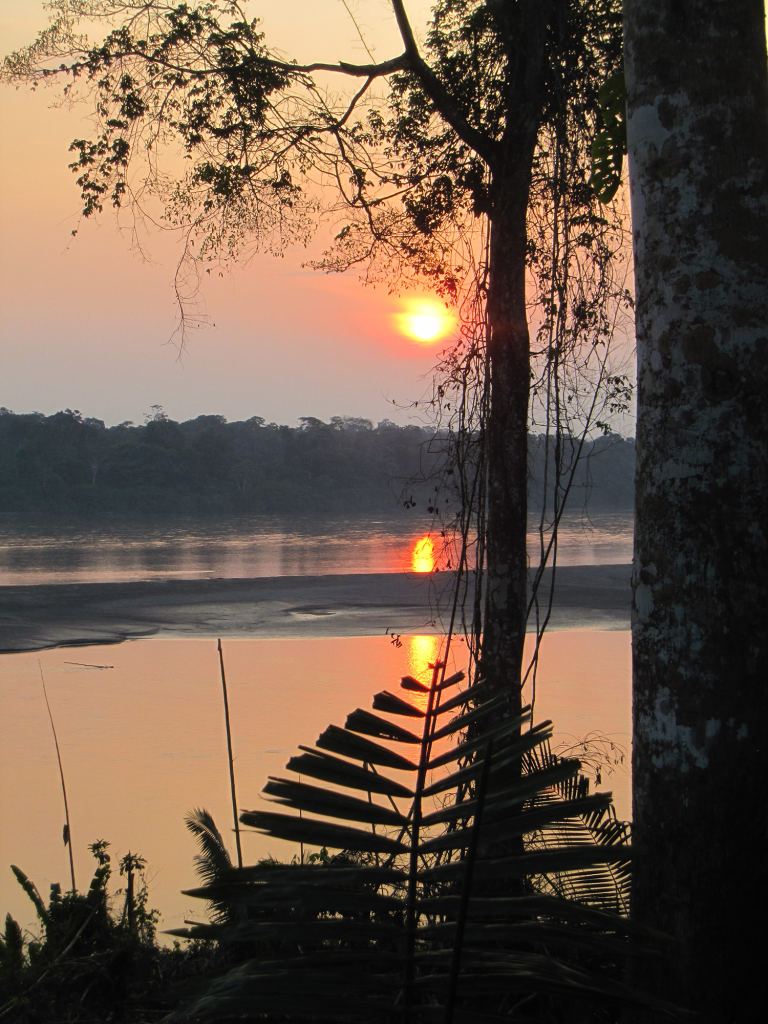
It was my second week living in the Ecuadorian Amazon. I travelled by a 4-person Cessna 40 minutes into the first community, and then another 30-minute jungle flight into a second community. This was Achuar territory. This small community, which you could access only by plane or canoe had a distinctive open-air feeling, with a sunset that stretched beautifully along the Pastaza River.