
Understanding the Mind-Body Connection to Make More Mindful Choices for Inclusion
As an interculturalist engaged in IDEA and intercultural capacity building, I see myself as a lifelong learner who recognizes that there is always more to discover and understand. I am passionate about guiding individuals toward those “aha!” moments that spark their curiosity and foster deeper connections across differences. As the daughter of immigrants, although I was born in Canada, English was my second language. Assimilation was still the model then. To ease the effects of culture shock and foster community connections, my parents were inclined to connect with people who came from similar ethnic backgrounds. However, back then, all I wanted was to be Canadian – to blend in, to belong. Our family also moved around a lot and as they did that my thirst for belonging grew…
Equity is Essential to Achieving Diversity and Inclusion
All people may be “created equal”, but not everyone has the same opportunity to succeed. That’s why “equity” in DEI plays a central role in creating diverse and inclusive workplaces.
Equality assumes that all people should be treated the same – minimizing their differences. Equity takes into consideration a person’s unique circumstances, adjusting treatment accordingly so that opportunities are equal. In short, equity allows more fairness for more people.
Indigenous peoples no longer invisible
Most Canadians are not aware that the overwhelming majority of people who identify as Indigenous in this country are more than likely their neighbours.
The most recent census figures revealed that over one million of the 1.8 million people in Canada who identify as First Nations, Inuit, and Metis are now living in urban centres. Only about one third of registered Indians still live on the reserve lands of 634 First Nations.
Once out of sight and out of mind, the result of assimilationist government policies for most of Canada’s first century, Indigenous peoples are becoming much more visible.
ANTISEMITISM: What educators need to know and do

The goal of inclusive education and its inherent quest for equity and justice isn’t passive. It calls for us to join the struggle against all forms of racism and bigotry and to accept the responsibility to promote human rights for all our students and colleagues.
The Achuar Dream Culture and My Mother’s Death Process
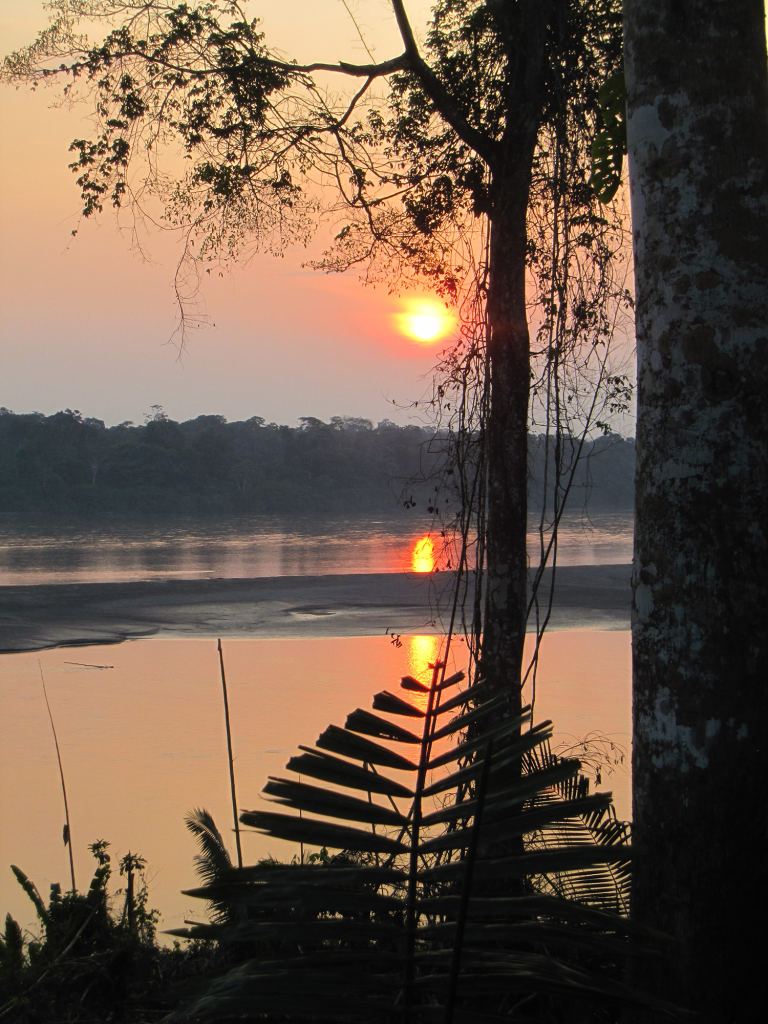
It was my second week living in the Ecuadorian Amazon. I travelled by a 4-person Cessna 40 minutes into the first community, and then another 30-minute jungle flight into a second community. This was Achuar territory. This small community, which you could access only by plane or canoe had a distinctive open-air feeling, with a sunset that stretched beautifully along the Pastaza River.
Pursuing DEI Despite the Pushbacks

In recent times, there has been notable pushback against Diversity, Equity, Inclusion, and Social Justice (DEIJ) initiatives, with some people and groups expressing strong opposition to these efforts.
Black History: Honouring the Past, Living in the Present
February is Black History Month (BHM). Over the next several weeks there will be posts on social media, newspaper and magazine articles, television programs, and of course many invitations asking prominent Black people to give speeches at schools and corporations…
Five Good Ideas
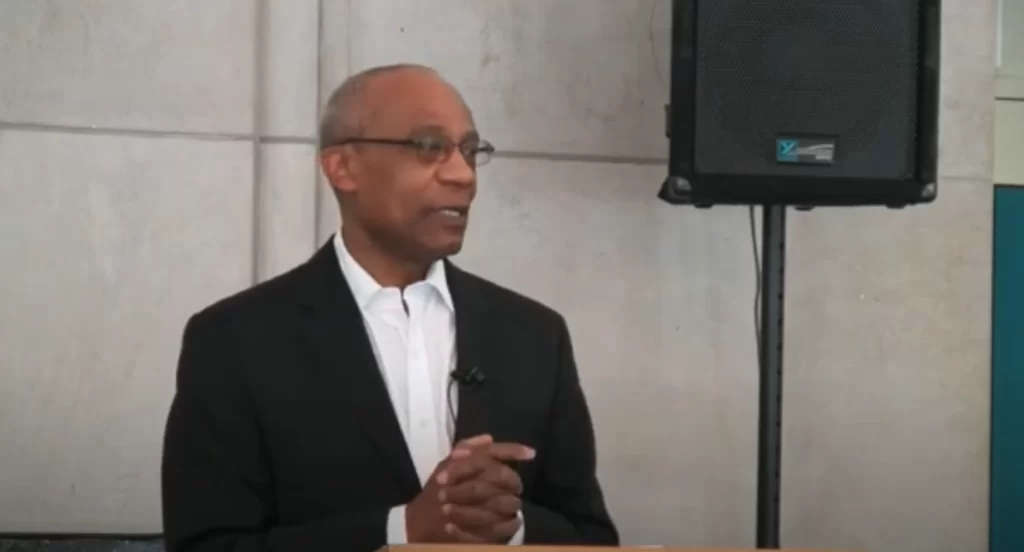
We are in an era of tremendous change, where everything is being disrupted: governments, institutions, personal lives and the workplace. Innovation expert John Seely Brown calls it the Cambrian Moment.
Our Story is one
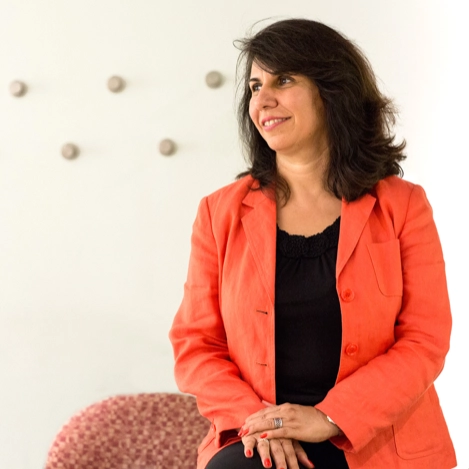
Happy to be thriving in Canada’s culture committed to advancing Inclusion, Diversity, Equity, and Anti-Racism, Iren Kolterman invites us all on a journey of empathy. Reflect, remember and learn from the story of Ten Women of Shiraz who wanted nothing more in life than to practice freely their Bahá’í faith….
Finding Strength in Allies: The Power of Support in Pride Movements
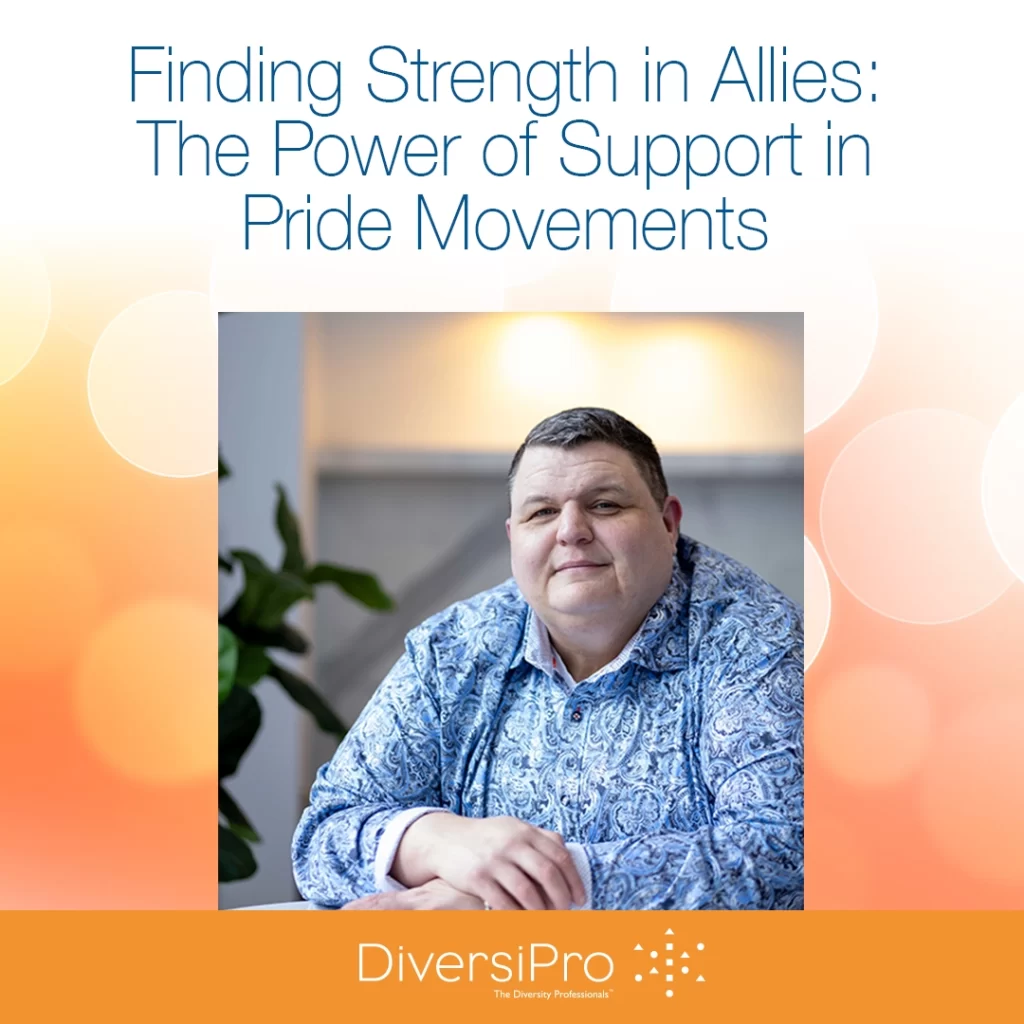
Pride. What does it mean for me? It may sound simple, but it means I am free to be me.
I remember the first time I went to the Pride Parade in Toronto. Coincidentally it was World Pride as well—the first-time World Pride was held in North America. I was wandering around the different merchants and booths before the parade and ran into a group of people who were looking for volunteers to march at the head of the parade, carrying the flags of the world. I jumped at the chance.