
Why Is It So Hard to Connect with Other Cultures?

For some time now, I have made it my mission to support connections between people, particularly those from different cultures. Yet, the more time I spend doing this, the humbler I become.
A week ago, while talking with friends, I initially stated that I respect and am open to all religions, but then went on to explain how the rituals in them made no sense to me and to question their relevance to one’s spiritual journey…
Associate Spotlight: Q&A with Kennedy Schultz

Why is IDEA (Inclusion, Diversity, Equity, and Anti-Racism) important in your personal and professional life?
I have always had a desire to learn about different cultures. After studying abroad in college, I realized that learning about other cultures helped me gain new perspectives on my own culture and our connection to the wider world. I started my career in language and culture education as a way to teach others about the richness of world cultures and the benefits of developing skills to broaden one’s perspective and create connections across global boundaries…
Diversity, Equity, and Inclusion Support Employee Mental Health

Strong mental health among employees is vital for building inclusive, productive, and cohesive workplaces because it directly affects how individuals engage, collaborate, and perform…
Associate Spotlight: Q&A with Adam Benn
What actions do you take to create inclusive environments in your own life?
In my life, I focus on making inclusion a daily practice, and living these values day to day. That means being intentional about making space at the table, understanding the environmental impact of my actions, aligning with businesses and organizations that share my values, and focusing on supporting my communities. For me, it is about taking actions to create a world that I would like to see when I am teaching about inclusion. It also means actively listening, learning, and being willing to change — whether that’s rethinking a decision, acknowledging my own biases, or creating opportunities for others to lead. I also try to build relationships across differences…
DEI Backlash and Canadian Organizations

How Canadian Organizations Should Respond to the Backlash Against Diversity, Equity, and Inclusion
For many years, Diversity, Equity, and Inclusion (DEI) initiatives have become a cornerstone of workplace culture in Canada. Many organizations recognize that these initiatives contribute to creativity, talent recruitment, and growth. But recent court decisions in the United States, actions taken by the Trump administration, and political misinformation about DEI in the US and Canada have all added to increasing resistance to diversity, equity and inclusion. Even some organizations that prioritized these initiatives a mere five years ago (after a White police officer killed Black American George Floyd, which led to widespread protests) have pulled back or softened their approach.
A Challenging Year for DEI, But a Hopeful One Ahead

The diversity, equity and inclusion (DEI) sector had a challenging year, here in Canada but especially in the United States. It was a combination of social, economic, political, and organizational pressures.
Murray Sinclair – Canadian Leader

He was well-known as Justice Murray Sinclair, the first Indigenous judge appointed in Manitoba and only the second in all of Canada. He became a Canadian senator, then chancellor at Queen’s University.
Off the Bookshelf: Under the White Gaze
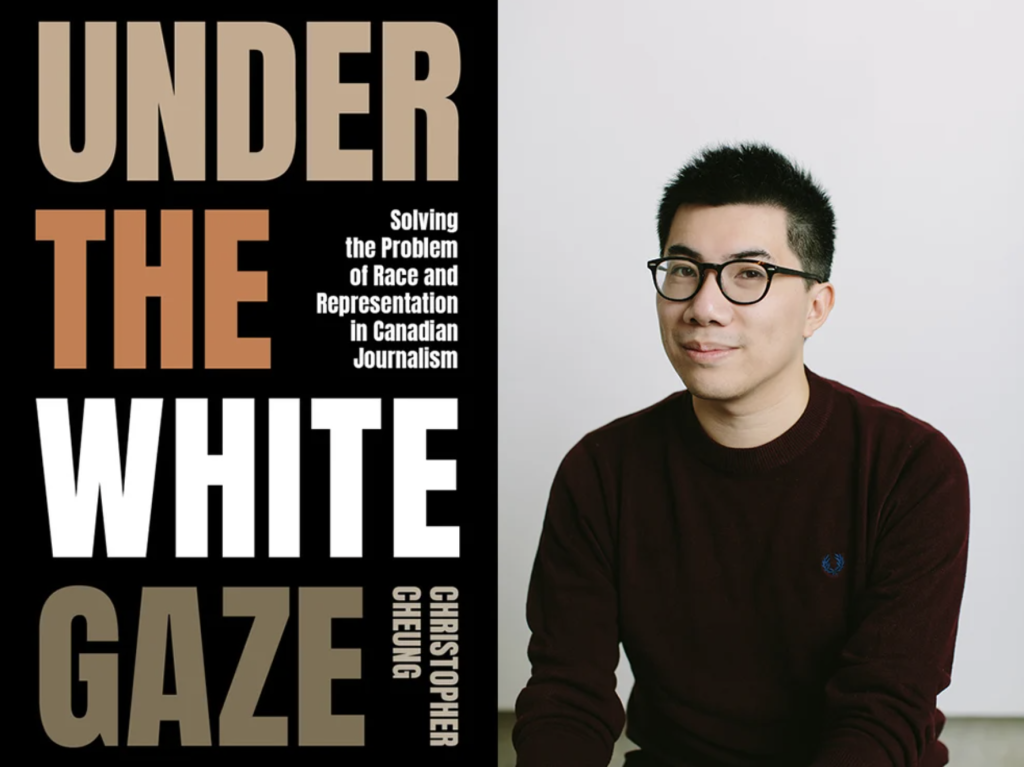
The core tenets of journalism include fairness, accuracy, objectivity, impartiality, and representation. These guiding principles ensure journalists maintain ethical standards as they and the organizations they work for serve the public interest. Too often the profession falls short of these standards, especially in adequately reflecting the wide variety of diversity in the public, in the people it covers, and the reporters telling those stories. This has been an age-old criticism of Canadian media…
Inclusive City Planning: Q&A with Alexandra Lambropoulos

Inclusion, diversity, equity, and anti-racism (IDEA) are foundational to my work in urban planning because cities thrive when they reflect and serve the diverse populations that inhabit them. IDEA informs my personal research interests in community economic development because it focuses on building strong, resilient local economies that benefit all residents.
Well, America, You Are Welcome!

“In Springfield, they are eating the dogs… [Haitians] are eating the pets of the people that live there.” – Donald Trump
Before we address the culinary habits of my Kin, I wanted to begin by raising the illustrious feat of winning a war without the trappings of conventional warfare, as Haitians are poised, once again, to fight in the war for democracy in the U.S. without any act of violence. This time our sheer migrant presence might be the weapon. Once done, we can then argue about whether dogs taste like chicken, or vice versa! Oh…the inhumanity of it.