
Off the Bookshelf: What If I Say the Wrong Thing?
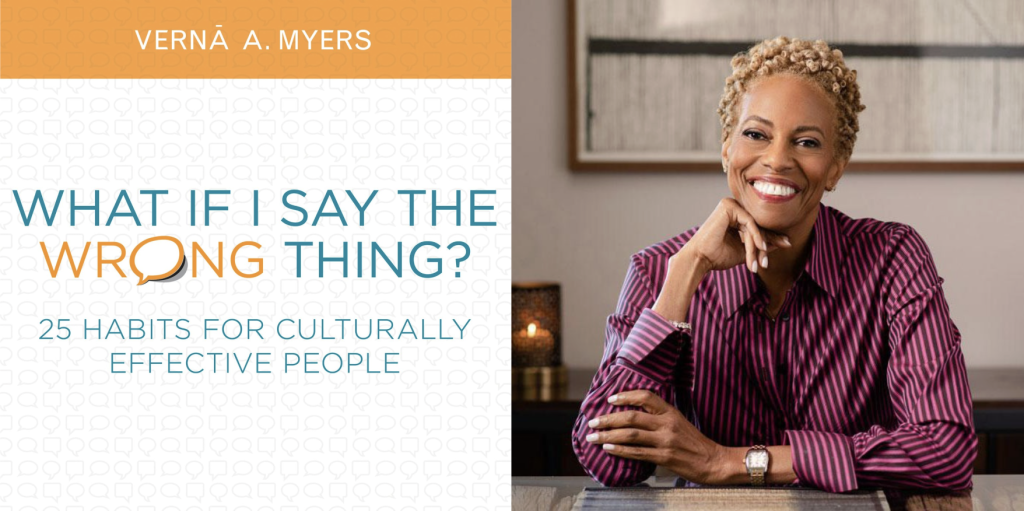
If I was paid every time someone – often it’s a senior leader or manager in an organization – asked me “what if I say the wrong thing?”, I’d be a very wealthy man…
Off the Bookshelf: Conflict is not Abuse
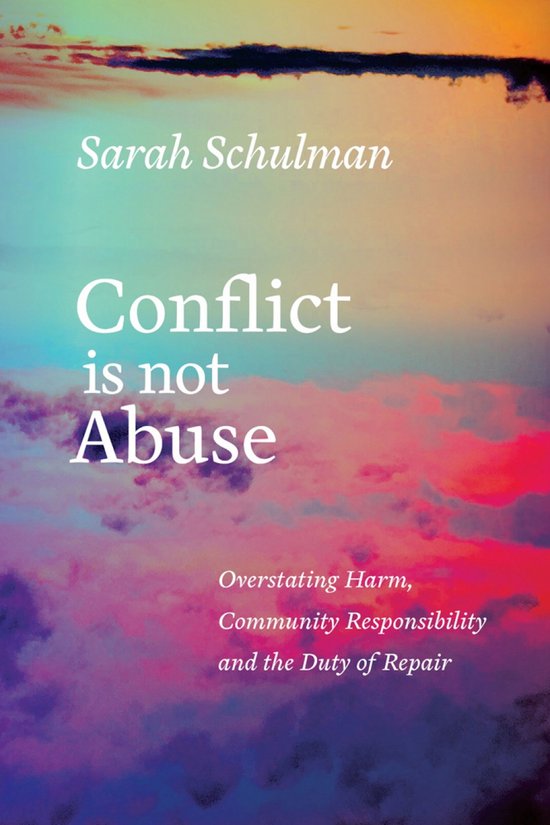
Sarah Schulman’s Conflict is not Abuse urges individuals and communities to distinguish between conflict and abuse, advocating for accountability, direct communication, and repair rather than punitive or avoidant responses. She critiques the overuse of victimhood narratives, warning against binary thinking that leads to unnecessary escalations in personal relationships, social dynamics, and state violence.
Off the Bookshelf: Revenge of the Tipping Point

More than 25 years ago Malcolm Gladwell’s book The Tipping Point: How Little Things Can Make a Big Difference had a profound societal impact, influencing a wide range of fields and sparking conversations about how ideas, trends, and behaviours spread. The book’s central thesis – that small, seemingly insignificant actions or events can trigger large-scale social change once they reach a “tipping point” – resonated across industries and cultural discussions. Gladwell became a celebrity…
Off the Bookshelf: Under the White Gaze
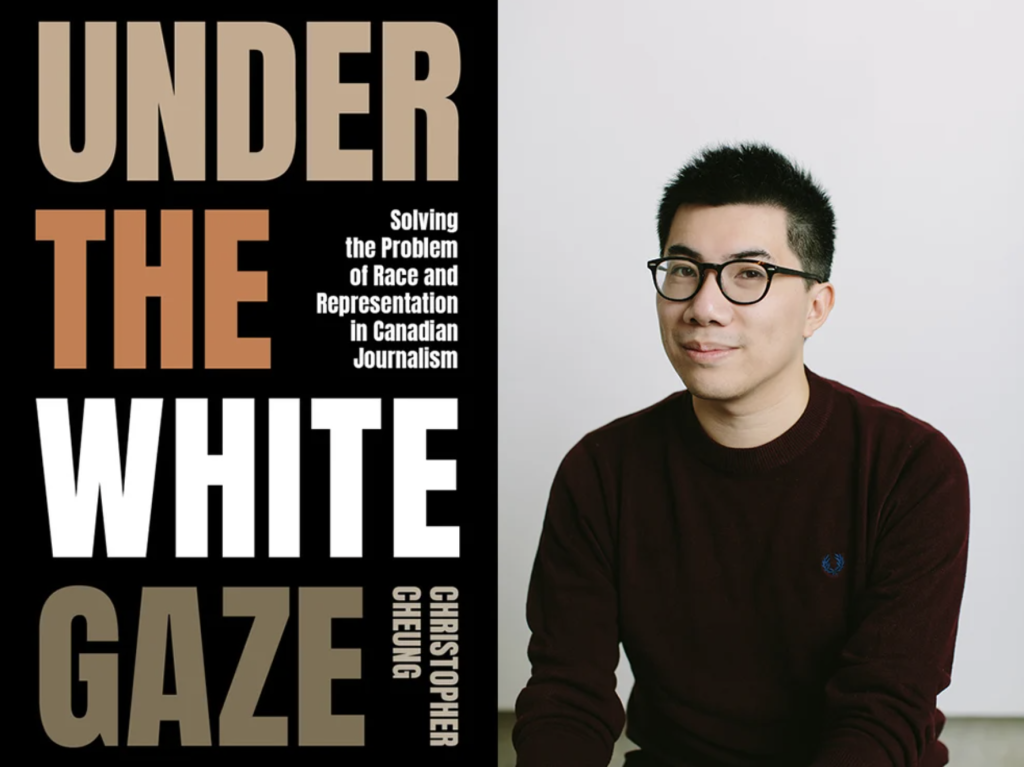
The core tenets of journalism include fairness, accuracy, objectivity, impartiality, and representation. These guiding principles ensure journalists maintain ethical standards as they and the organizations they work for serve the public interest. Too often the profession falls short of these standards, especially in adequately reflecting the wide variety of diversity in the public, in the people it covers, and the reporters telling those stories. This has been an age-old criticism of Canadian media…
Off the Bookshelf: North of Nowhere

Marie Wilson’s newly-published “North of Nowhere: Song of a Truth and Reconciliation Commissioner” is a tour de force.
Richly woven, it is part memoir, part documentary. It’s also the kind of book you’ll want to read more than once – not only because it reveals an important part of Canadian history, but because the overall story is so compellingly told.
The book starts with a story about Wilson’s mother-in-law watching Canadian TV at home in the Northwest Territories.
Reading for Reconciliation: Indigenous Reading List

As the Month of June is National Indigenous History Month in Canada, it is a great time to explore the world of Indigenous literature. Reading books written by Indigenous authors serves as a gateway to understanding Indigenous culture and history. By exploring Indigenous literature, we can learn about the diverse experiences of individuals who have endured historical marginalization, and whose narratives are frequently excluded from mainstream discourse. In addition, we are amplifying indigenous voices and perspectives. Honouring Indigenous literature is crucial to decolonization and reconciliation efforts.
Understanding at Last
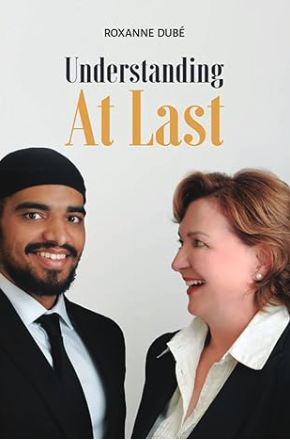
I used to think that I knew how to engage with different cultures and races. Although raised in a pure laine French Canadian family in rural Quebec, I had convinced myself after years as a Canadian diplomat and as the loving mother of two mixed-raced Black boys, that I had cracked the nut…