
In Conversation With The Mental Health Commission of Canada

The mental health of employees is foundational to creating a diverse, equitable, and inclusive (DEI) organizational culture because psychological well-being enables individuals—especially those from marginalized or underrepresented groups—to engage fully and safely at work. Likewise, strong DEI programs can positively influence mental health by addressing systemic stressors and creating conditions for all employees to thrive.
Faith on the Margins: Christianity’s Evolving Role in a Diverse and Inclusive Canada

Her name was Debbie. I cannot recall her last name, and I have only the vaguest recollection of what she looked like. But I still recall vividly how she was the one person who stepped out of the classroom every morning while the rest of us recited the Lord’s Prayer.
DEI Backlash and Canadian Organizations

How Canadian Organizations Should Respond to the Backlash Against Diversity, Equity, and Inclusion
For many years, Diversity, Equity, and Inclusion (DEI) initiatives have become a cornerstone of workplace culture in Canada. Many organizations recognize that these initiatives contribute to creativity, talent recruitment, and growth. But recent court decisions in the United States, actions taken by the Trump administration, and political misinformation about DEI in the US and Canada have all added to increasing resistance to diversity, equity and inclusion. Even some organizations that prioritized these initiatives a mere five years ago (after a White police officer killed Black American George Floyd, which led to widespread protests) have pulled back or softened their approach.
In Conversation With the Stratford Festival

“We’re getting to a place where we’re thinking across the whole experience: How do we welcome people in? And there’s something really joyful about that. So it’s not just the spreadsheet of it being a good business decision. It is the experience of the festival being enriched.”
– Anita Gaffney, Executive Director, The Stratford Festival
Recognizing Outstanding Canadians

Receiving the phone call from the Governor General’s office was a mind-blowing
experience. When it came two years ago, I was in disbelief and at a loss for words. I
was being appointed to the Order of Canada – our country’s highest civilian honour – for
my work in diversity, equity, inclusion and social justice.
Shab-e Yalda: Celebrating the Winter Solstice

Shab-e Yalda, also known as Shab-e Chelleh, is an ancient celebration of the winter solstice, which is celebrated today in modern-day Iran, Afghanistan, Azerbaijan, and Tajikistan amongst others. The winter solstice marks the beginning of winter, and the longest night of the year. On this day the sun is at the lowest point in the sky, so the day feels darker. From this point onwards, the length of daylight begins to increase each day, as the sun sets later. Shab-e Yalda translates to Night of Rebirth, referring to the “rebirth” of the sun, which will bring longer days after the winter solstice.
A Challenging Year for DEI, But a Hopeful One Ahead

The diversity, equity and inclusion (DEI) sector had a challenging year, here in Canada but especially in the United States. It was a combination of social, economic, political, and organizational pressures.
Murray Sinclair – Canadian Leader

He was well-known as Justice Murray Sinclair, the first Indigenous judge appointed in Manitoba and only the second in all of Canada. He became a Canadian senator, then chancellor at Queen’s University.
Off the Bookshelf: Under the White Gaze
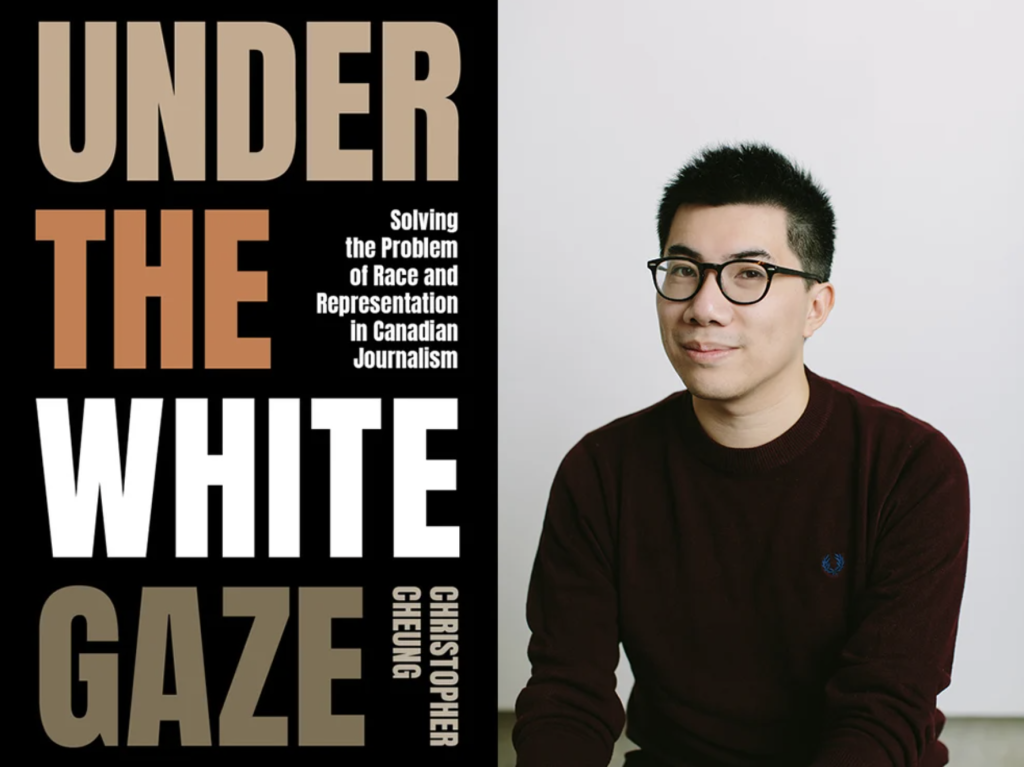
The core tenets of journalism include fairness, accuracy, objectivity, impartiality, and representation. These guiding principles ensure journalists maintain ethical standards as they and the organizations they work for serve the public interest. Too often the profession falls short of these standards, especially in adequately reflecting the wide variety of diversity in the public, in the people it covers, and the reporters telling those stories. This has been an age-old criticism of Canadian media…
Understanding the Mind-Body Connection to Make More Mindful Choices for Inclusion
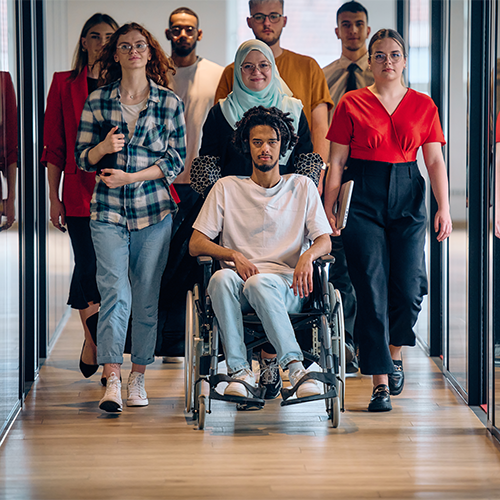
As an interculturalist engaged in IDEA and intercultural capacity building, I see myself as a lifelong learner who recognizes that there is always more to discover and understand. I am passionate about guiding individuals toward those “aha!” moments that spark their curiosity and foster deeper connections across differences. As the daughter of immigrants, although I was born in Canada, English was my second language. Assimilation was still the model then. To ease the effects of culture shock and foster community connections, my parents were inclined to connect with people who came from similar ethnic backgrounds. However, back then, all I wanted was to be Canadian – to blend in, to belong. Our family also moved around a lot and as they did that my thirst for belonging grew…