
IDEACertified™: A Credible Standard for Inclusive, High-Trust Organizations

Despite the so-called “backlash” against diversity, equity and inclusion (DEI) initiatives across both public and private sectors, organizations are facing increasing expectations to demonstrate real, measurable progress on Inclusion, Diversity, Equity, and Anti-Racism (IDEA). Good intentions and isolated training initiatives are no longer sufficient. What is required is evidence—grounded in data, aligned to legislation, and trusted by employees, stakeholders, and the public.
IDEACertified™ is DiversiPro’s trademarked, evidence-based certification program designed to achieve this goal. It provides organizations with a structured, defensible pathway to move beyond intention and toward sustained, organization-wide impact in IDEA practice…
Looking Ahead: Choosing Purpose in a Year of Disruption
“The challenge before us is not simply to react, but to respond with intention. To hold the line on equity and inclusion even when it is uncomfortable. To strengthen social cohesion by … refusing narratives that pit communities against one another. And to remember that progress, especially in turbulent times, is shaped by the choices we make.”
Bridging the Gaps: Improving Access to Culturally Specific Care

We sat down with Joefin Peter to discuss the lack of representation of BIPOC providers in sexual and reproductive health. Joefin emphasizes the importance of culturally specific care for racialized individuals and highlights how initiatives like the BIPOC Maternal Professionals Database are helping make this care more accessible…
Why Is It So Hard to Connect with Other Cultures?

For some time now, I have made it my mission to support connections between people, particularly those from different cultures. Yet, the more time I spend doing this, the humbler I become.
A week ago, while talking with friends, I initially stated that I respect and am open to all religions, but then went on to explain how the rituals in them made no sense to me and to question their relevance to one’s spiritual journey…
Associate Spotlight: Q&A with Kennedy Schultz

Why is IDEA (Inclusion, Diversity, Equity, and Anti-Racism) important in your personal and professional life?
I have always had a desire to learn about different cultures. After studying abroad in college, I realized that learning about other cultures helped me gain new perspectives on my own culture and our connection to the wider world. I started my career in language and culture education as a way to teach others about the richness of world cultures and the benefits of developing skills to broaden one’s perspective and create connections across global boundaries…
Off the Bookshelf: What If I Say the Wrong Thing?
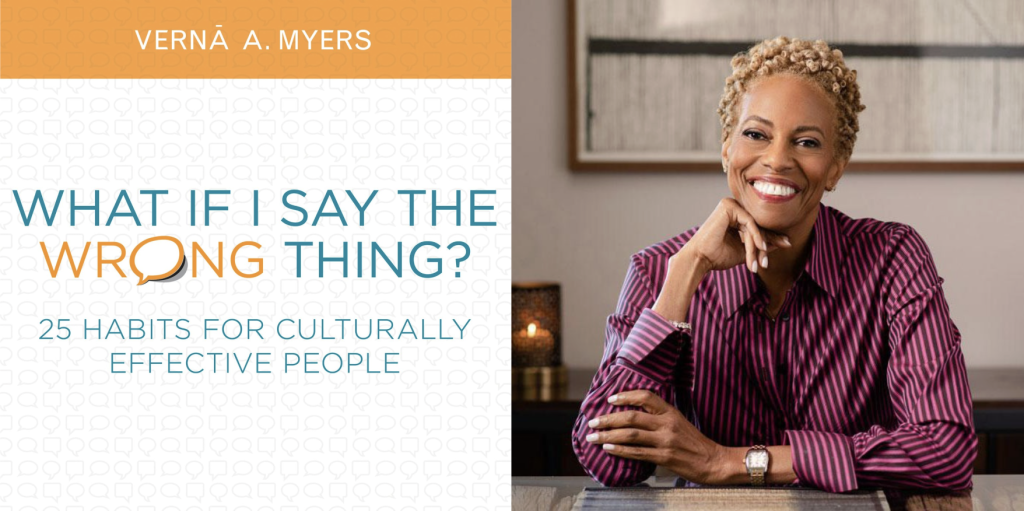
If I was paid every time someone – often it’s a senior leader or manager in an organization – asked me “what if I say the wrong thing?”, I’d be a very wealthy man…
Diversity, Equity, and Inclusion Support Employee Mental Health

Strong mental health among employees is vital for building inclusive, productive, and cohesive workplaces because it directly affects how individuals engage, collaborate, and perform…
In Conversation With The Mental Health Commission of Canada

The mental health of employees is foundational to creating a diverse, equitable, and inclusive (DEI) organizational culture because psychological well-being enables individuals—especially those from marginalized or underrepresented groups—to engage fully and safely at work. Likewise, strong DEI programs can positively influence mental health by addressing systemic stressors and creating conditions for all employees to thrive.
Associate Spotlight: Q&A with Adam Benn
What actions do you take to create inclusive environments in your own life?
In my life, I focus on making inclusion a daily practice, and living these values day to day. That means being intentional about making space at the table, understanding the environmental impact of my actions, aligning with businesses and organizations that share my values, and focusing on supporting my communities. For me, it is about taking actions to create a world that I would like to see when I am teaching about inclusion. It also means actively listening, learning, and being willing to change — whether that’s rethinking a decision, acknowledging my own biases, or creating opportunities for others to lead. I also try to build relationships across differences…
The Power and Disempowering of Language in the Trump Era

James Baldwin viewed language as deeply tied to power, identity and historical reality, particularly for marginalized communities. Language, he wrote is “meant to define the other – and in this indispensable, cruelly dishonest role, it can be employed to obscure the truth.” Writers like Baldwin remind us that language is more than just a tool for communication—it shapes thought, reinforces power structures, and influences the way individuals perceive reality.