
Off the Bookshelf: Under the White Gaze
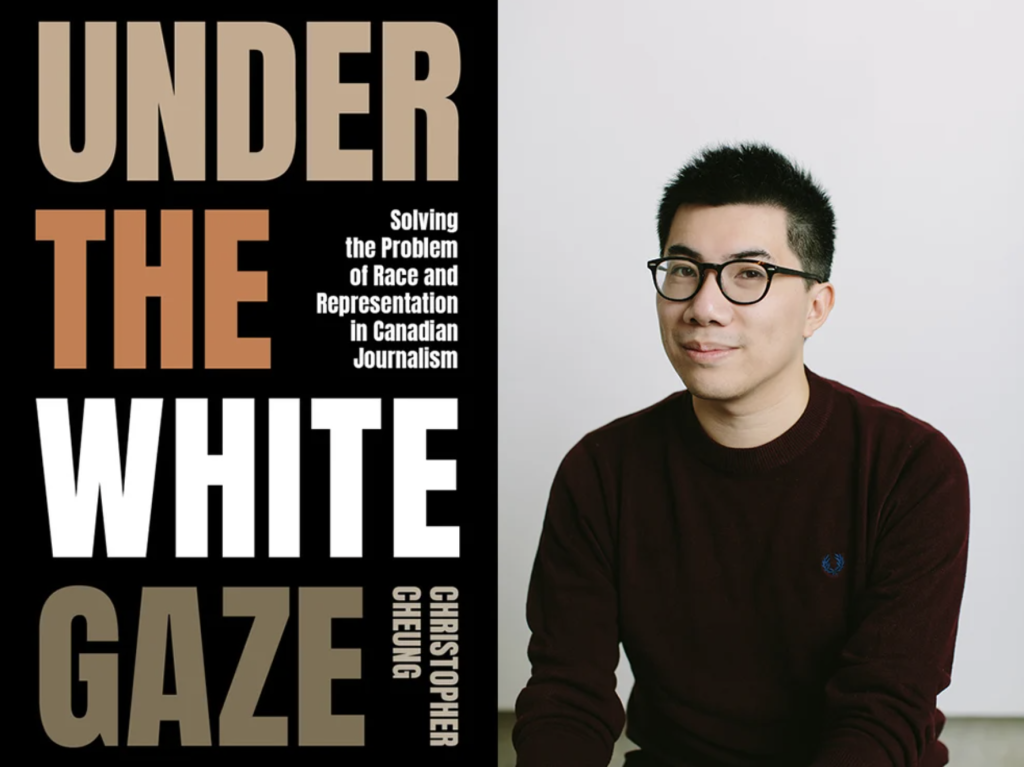
The core tenets of journalism include fairness, accuracy, objectivity, impartiality, and representation. These guiding principles ensure journalists maintain ethical standards as they and the organizations they work for serve the public interest. Too often the profession falls short of these standards, especially in adequately reflecting the wide variety of diversity in the public, in the people it covers, and the reporters telling those stories. This has been an age-old criticism of Canadian media…
Inclusive City Planning: Q&A with Alexandra Lambropoulos

Inclusion, diversity, equity, and anti-racism (IDEA) are foundational to my work in urban planning because cities thrive when they reflect and serve the diverse populations that inhabit them. IDEA informs my personal research interests in community economic development because it focuses on building strong, resilient local economies that benefit all residents.
Resiliencing Habits for Changemakers

You read that right, resiliencing is not a typo! Resiliencing is what I call the habits and actions that help us move through life’s challenges.
I have supported people and organizations with change for much of my career. In the past few years, I have noticed things feel different.
People talk about facing many changes all at once, needing to keep on top of shifting expectations, experiencing tensions and friction, and feeling an overall sense of pressure to accomplish more, faster.
Off the Bookshelf: North of Nowhere

Marie Wilson’s newly-published “North of Nowhere: Song of a Truth and Reconciliation Commissioner” is a tour de force.
Richly woven, it is part memoir, part documentary. It’s also the kind of book you’ll want to read more than once – not only because it reveals an important part of Canadian history, but because the overall story is so compellingly told.
The book starts with a story about Wilson’s mother-in-law watching Canadian TV at home in the Northwest Territories.
Well, America, You Are Welcome!

“In Springfield, they are eating the dogs… [Haitians] are eating the pets of the people that live there.” – Donald Trump
Before we address the culinary habits of my Kin, I wanted to begin by raising the illustrious feat of winning a war without the trappings of conventional warfare, as Haitians are poised, once again, to fight in the war for democracy in the U.S. without any act of violence. This time our sheer migrant presence might be the weapon. Once done, we can then argue about whether dogs taste like chicken, or vice versa! Oh…the inhumanity of it.
Understanding the Mind-Body Connection to Make More Mindful Choices for Inclusion
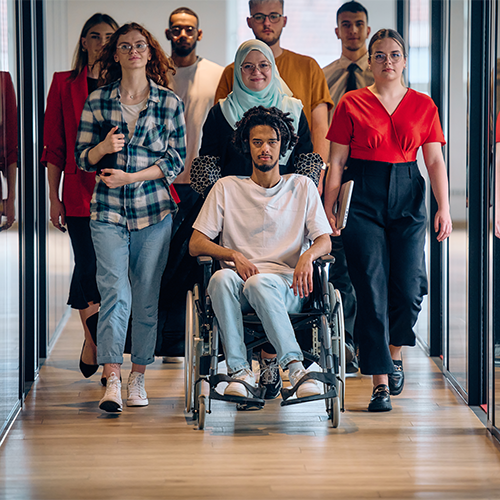
As an interculturalist engaged in IDEA and intercultural capacity building, I see myself as a lifelong learner who recognizes that there is always more to discover and understand. I am passionate about guiding individuals toward those “aha!” moments that spark their curiosity and foster deeper connections across differences. As the daughter of immigrants, although I was born in Canada, English was my second language. Assimilation was still the model then. To ease the effects of culture shock and foster community connections, my parents were inclined to connect with people who came from similar ethnic backgrounds. However, back then, all I wanted was to be Canadian – to blend in, to belong. Our family also moved around a lot and as they did that my thirst for belonging grew…
Truth and Reconciliation

As an adult educator and someone who works within the intercultural development and IDEA spaces, I am constantly thinking about Truth and Reconciliation. In this piece, I share my journey over the course of my life with how I came to know the truth, and how I responded to that truth. My journey will be relatable for some, but I also recognize that for many people, the truth was only revealed in recent years when the remains of 215 children were found in Kamloops at a former residential school. While the last several years have been about actionable ways to accelerate truth and reconciliation within post secondary education, the truth about Indigenous history has been on my mind since my youth.
Equity is Essential to Achieving Diversity and Inclusion

All people may be “created equal”, but not everyone has the same opportunity to succeed. That’s why “equity” in DEI plays a central role in creating diverse and inclusive workplaces.
Equality assumes that all people should be treated the same – minimizing their differences. Equity takes into consideration a person’s unique circumstances, adjusting treatment accordingly so that opportunities are equal. In short, equity allows more fairness for more people.
Reading for Reconciliation: Indigenous Reading List

As the Month of June is National Indigenous History Month in Canada, it is a great time to explore the world of Indigenous literature. Reading books written by Indigenous authors serves as a gateway to understanding Indigenous culture and history. By exploring Indigenous literature, we can learn about the diverse experiences of individuals who have endured historical marginalization, and whose narratives are frequently excluded from mainstream discourse. In addition, we are amplifying indigenous voices and perspectives. Honouring Indigenous literature is crucial to decolonization and reconciliation efforts.
Indigenous peoples no longer invisible

Most Canadians are not aware that the overwhelming majority of people who identify as Indigenous in this country are more than likely their neighbours.
The most recent census figures revealed that over one million of the 1.8 million people in Canada who identify as First Nations, Inuit, and Metis are now living in urban centres. Only about one third of registered Indians still live on the reserve lands of 634 First Nations.
Once out of sight and out of mind, the result of assimilationist government policies for most of Canada’s first century, Indigenous peoples are becoming much more visible.