
How it Began
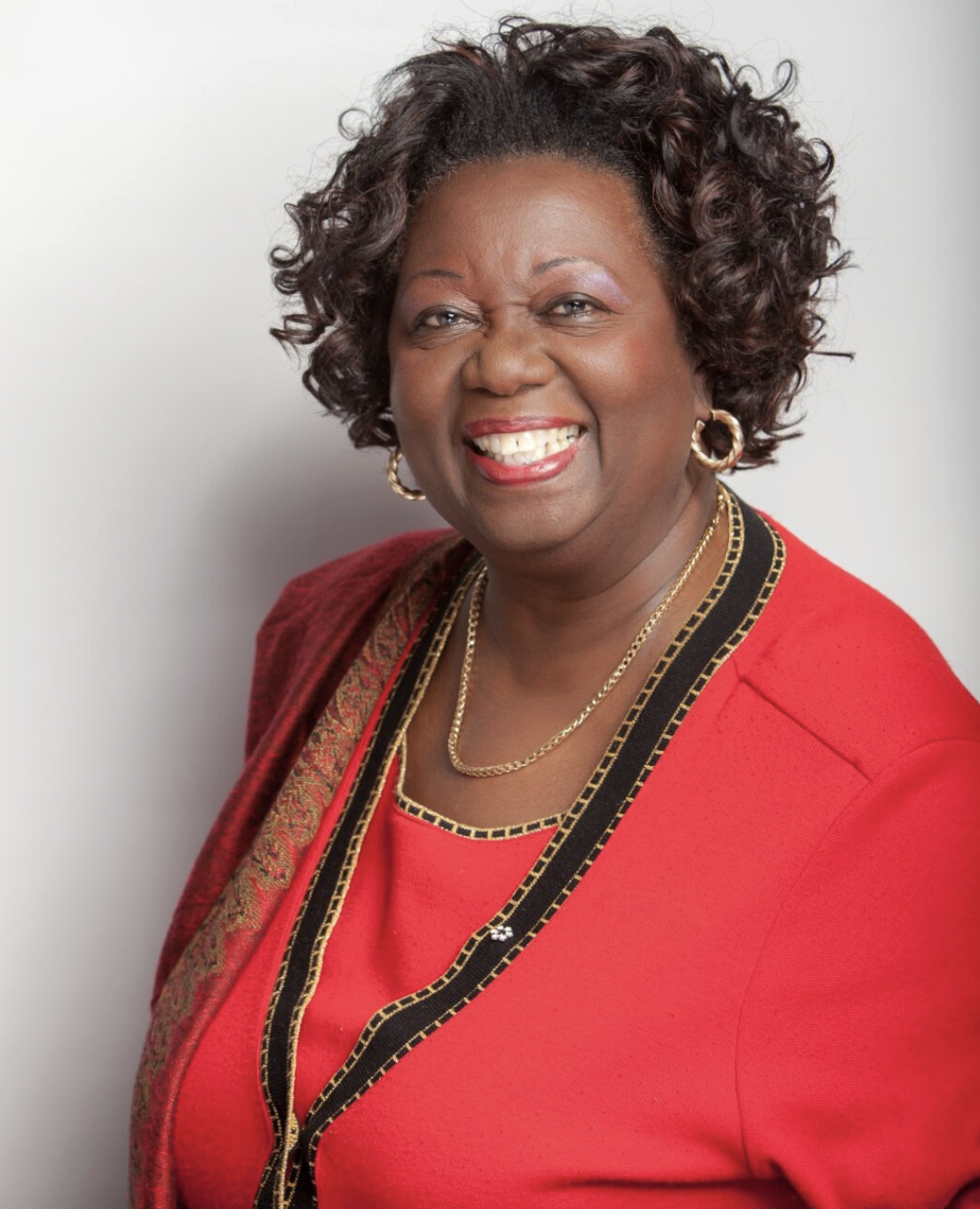
In December 1995, the House of Commons of Canada unanimously adopted a motion recognizing February as Black History Month. The motion was introduced by Member of Parliament Jean Augustine, a former teacher, school principal, and long-time advocate of advancing the visibility and dignity of Black Canadians.
For Augustine, the issue was deeply personal and long-standing.
“As a social studies teacher, I knew there was almost nothing in our history books about Indigenous peoples or Black Canadians — beyond a brief reference to the Underground Railroad,” she recalled. “So, I did my own research. I spoke with African Canadians on the East Coast and developed teaching modules. But I was always worried a superintendent could challenge them.”
She also noticed a striking contrast. At the Black Women’s Club and the Ontario Black History Society (OBHS), posters celebrated Black American historical figures. “Black Americans knew their history,” Augustine observed. “But we had nothing comparable in Canada.”
In 1994, after efforts by the Ontario Black History Society (OBHS), Toronto officially declared February as Black History Month. The OBHS subsequently reached out to federal Minister Sheila Finestone, requesting that this recognition be extended nationwide. Since the federal government seldom made such proclamations, Finestone consulted Augustine, who assisted in drafting the reply to the OBHS’s letter. But Augustine wanted more than a symbolic proclamation. Proclamations were non-binding; she wanted something permanent, recognized in Parliament and across the country.
When she approached the House Leader, she was offered two options: a private member’s bill, which had little chance of advancing, or a motion. She chose the motion.
The motion had to be concise: a paragraph with just the facts – nothing debatable. She would need to line up seconders for the motion. She’d have to draft the motion and get legal approval. Then, she’d have to talk with as many members of parliament as possible to get their support.
“I became a stalker”, she says, smiling as she recalls that time. “I’d approach members in the elevator, in the washroom, everywhere.”
MPs Svend Robinson (NDP, B.C), Christiane Gagnon (Quebec) and Diane Ablonzy agreed to second the motion.
Augustine presented the motion to the Liberal caucus meeting and requested their support. She got it. But though the Liberals were a majority, she still needed to get support from members of the opposition parties.
The political climate was not favourable. “We have to remember that the period of 1994 to 1995 was about trade: softwood lumber and several other trade issues. The GST tax had recently passed, and everybody was worried about the economy. No-one was thinking about social justice issues.”
The makeup of the house had also changed. The Conservative party had been reduced to only a few seats in parliament, and more extremist parties – the Bloc Quebecois and the Reform Party – had been elected to parliament. Some MPs seemed to have genuine questions about the need for the motion, and some were “agent provocateurs”.
“A lot of people, including some MPs, had problems understanding why Black History Month was important for Canada. Some made light of it, some were outright against it. I never let myself be provoked.”
A White MP asked, smiling: “So when are we going to have a White history month, Jean?”
Augustine, the first Black woman elected to Canada’s House of Commons, calmly replied in the same vein: “I thought every day was White history day.”
The final motion stated: “That this House take note of the important contribution of black Canadians to the settlement, growth and development of Canada, the diversity of the black community in Canada and its importance to the history of this country, and recognize February as black history month.” It passed unanimously.
Augustine didn’t organise or seek support outside the House. But after the motion passed, Heritage Minister Sheila Copps suggested they hold a reception to formally announce it to community groups.
Augustine’s motion, and the actions she took to achieve that success, inspired other community leaders. “I’m pleased other people were able to learn from what I did,” she says.
Vivienne Poy, a senator from Toronto, sought Jean’s help to get Asian Canadian history and contributions recognized. Augustine gave her all the materials and advice she needed. Years later, Senator Don Oliver, an African Canadian from the east coast, successfully pushed for a reaffirmation in the Senate, acknowledging the contribution of Black Canadians.
Augustine would later become Secretary of State (Multiculturalism and Status of Women) in May, 2002, then Assistant Deputy Speaker of the House of Commons of Canada (October, 2004).
What has Changed Since Then
For many years, Canadians were influenced – and, indeed, defined Black history – by Black American history. Slavery. The fight for civil rights.
“We didn’t want to tell the less positive stories and uncomfortable truths,” Augustine recalls. “Truths such as slavery on Canadian soil, the buying and selling of Africans and entrenched forms of anti-Black racism. We liked the hero stories of Canada as the North Star – the safe place that enslaved Africans in the US ran to. Canada was in denial.
“Today, we have museums, writers, historians digging up the stories that weren’t being told. Books like Afua Cooper’s ‘The Hanging of Angelique’. Our young people are now going into archival and museum work. Black History Month is an opportunity to know the past, ruminate in the present, and make a path for the future.”
When asked about the rise of far-right movements and the backlash against diversity, equity, and inclusion (DEI), Augustine remains resolute.
“We are different from America,” she says. “We have a firmer grip on what our society is like than the US. We’ve gone further than the US in enshrining justice and fairness into law.
“In 1971, Canadians were asked the questions about who we are as a society. Canadians across the country said we’re not just English and French; we agreed that we’re a multicultural, multi-ethnic and pluralistic country.
“In 1982, Section 15 of the amendment to the Canadian Charter of Rights and Freedoms decreed that it’s illegal to discriminate on the basis of religion, race, creed, nationality, place of origin, and gender. And in 1997, we added 2 words: sexual orientation.
“These rights are enshrined in our laws and policies,” Augustine notes. “As Canadians, we have to keep reminding ourselves of these laws and policies.”
While some multinational companies operating in Canada raise questions about DEI because of the elimination of DEI programs in the US, she warns we must not allow “the negative winds that blow from the south to deter us from justice, fairness and inclusiveness.
“We cannot allow them to deter us from what we are committed to here in Canada. I ground my belief in what we as a society say we are, in the policies and programs that have supported it over the years.
“Our society is built on people bringing their diverse talents and skills, on our respect for one another. We cannot let that go.”